


Irrigation Systems
Apple Orchard Irrigation Systems
Why precision irrigation matters for apples
Apple orchards need steady water management across a long season, and both stress and over-watering carry a cost on a crop this valuable. Fixed schedules and manual valves make it hard to give each block what it needs.
Precision irrigation replaces the calendar with continuous monitoring and automated control, block by block, so the orchard gets the right water at the right time. Where water allotments are cut in dry years, that control is what lets you stretch every acre-foot you are given.
Automate your apple irrigation with WiseConn
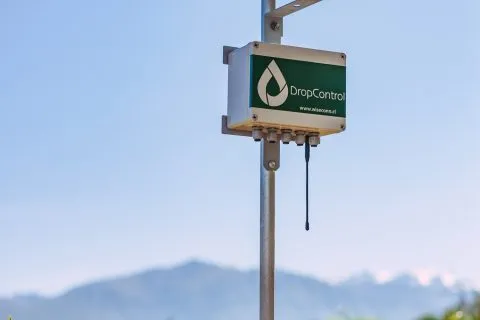
WiseConn brings field hardware and the DropControl platform together into a single system for managing irrigation across your whole orchard. Rugged field nodes monitor and control the orchard, while DropControl gives you a web dashboard and a mobile app to manage it from anywhere.
- RF-M1 monitoring node for soil and environmental monitoring across the orchard.
- RF-V1 valve controller for wireless control of latch valves, block by block.
- RF-C1 irrigation controller for local control with multiple inputs and relays.
- RF-X1 monitoring and control for multi-sensor, flexible automation.
DropControl is built on an open architecture, so you can start with monitoring on your current setup and scale to full automation at your own pace.
How it works
- Field nodes collect soil moisture, weather and system data and send it into DropControl to help make better informed decisions.
- Data flows to the cloud and is available in real time through the DropControl web platform and mobile app.
- You define irrigation rules and schedules, and the system runs them automatically, opening and closing valves block by block.
- Three roles, one platform: irrigators run day-to-day watering from the mobile app, farm managers make decisions and report from the web, and owners track water use and sustainability.
What growers gain
Irrigate from real soil and weather data, not a fixed calendar. Growers typically reduce water use by 20 to 40 percent depending on their starting point.
Pump only when the orchard needs it and shift watering to lower-cost hours, cutting the energy behind every irrigation cycle.
Replace manual valve operation with automated control, so a small team can run the whole orchard.