


Water Management: How to Optimize Water Usage in Agriculture
Water management is a critical challenge in agriculture worldwide, especially in areas with limited water resources. The implementation of advanced technologies in water management allows farmers to maximize the efficiency of this vital resource while maintaining sustainable and profitable farming practices. This article explores how innovative solutions can contribute to more effective water management and how to transition to irrigation automation.
1. Challenges of Water Scarcity in Agriculture
Water scarcity is one of the biggest issues farmers face today. In regions where water is limited, efficient water management becomes an essential factor for maintaining profitable and sustainable agricultural production.
- Risks associated with water scarcity: Crops depend on water to grow, but water scarcity reduces both the quality and yield of products.
- Water management solutions: Implementing proper water resource management strategies, such as precision irrigation systems, allows for more efficient use of available water.
2. Technological Solutions to Optimize Water Usage
Water management not only refers to distribution but also to control and monitoring. Emerging technologies enable farmers to reduce water waste and improve crop quality by using smarter, more efficient systems.
- Precision irrigation: Advanced irrigation systems allow water to be applied precisely and efficiently, reducing evaporation and excessive runoff.
- Soil moisture sensors: These sensors measure water content in the soil, allowing irrigation to be adjusted based on the actual needs of the crops.
- Remote monitoring and automation: Cloud-based platforms and mobile applications allow farmers to manage their irrigation systems from anywhere, ensuring efficient water management.
3. Water Conservation and Quality in Agriculture
Water management should go beyond just controlling irrigation, also involving the conservation of water resources and the protection of water quality.
- Water quality monitoring: It’s essential to monitor the levels of contaminants in irrigation water, such as pesticides and fertilizers, to prevent soil and waterway contamination.
- Water conservation: The integration of water management technologies can significantly reduce water waste, helping ensure its availability for future generations.
4. How to Transition to Irrigation Automation?
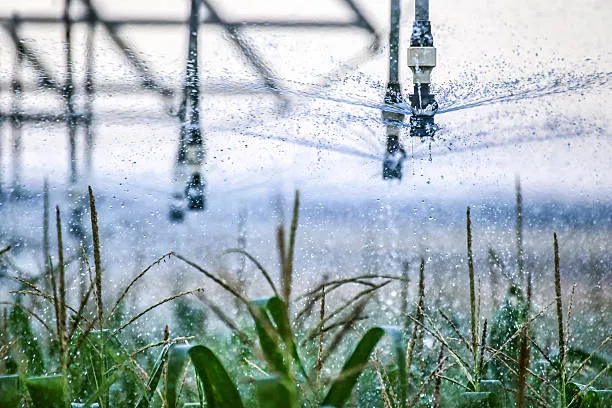
To optimize water management, irrigation automation is one of the most effective solutions. Here’s how to make the transition to this system:
- Assess crop needs: Before transitioning to an automated system, it’s crucial to evaluate soil conditions and the irrigation needs of the crops.
- Choose the right technologies: There are various technological options for automating irrigation, such as moisture sensors and cloud-based systems for real-time monitoring.
- Training: It’s important for farmers to receive proper training on how to use automated systems to maximize the benefits of water management.
5. Benefits of Implementing Irrigation Automation
Irrigation automation offers several advantages in water management and the sustainability of agriculture:
- Water savings: Automation allows the exact amount of water required by the crops to be applied, avoiding waste.
- Reduced operational costs: Automated irrigation systems reduce the need for manual intervention, lowering operational costs.
Improved crop performance: More precise control over irrigation improves the health and yield of crops, leading to higher productivity and quality.
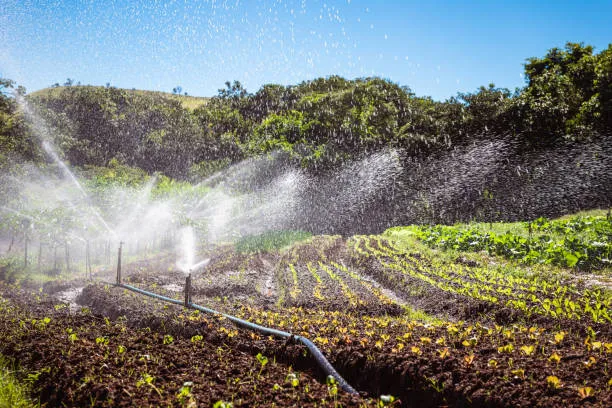
Efficient water management is key to tackling the challenges of water scarcity in agriculture. Implementing advanced irrigation automation solutions not only helps optimize water usage but also contributes to water conservation and improves crop quality. It’s time for farmers to adopt cutting-edge technologies to ensure sustainable agriculture in the future.
For more information on how to optimize water management in your farming process, visit WiseConn, explore our technological solutions, and contact us here.
