


How Smart Agriculture Helps Mitigate the Effects of Drought Through Efficient Water Use
Droughts are no longer rare events—they are recurring challenges that demand smarter, more efficient ways to manage water. Smart agriculture for drought conditions has become a key solution, combining real-time data, intelligent irrigation systems, and automation to help farmers use water more efficiently and sustain productivity even during prolonged dry periods.
By connecting soil sensors, climate data, and irrigation control, this approach allows growers to make informed decisions that protect both crops and natural resources. The result? Reduced waste, stronger resilience, and a more sustainable farming future.
Challenges of drought in modern agriculture
Drought severely limits water availability and affects not only crop yield but also long-term soil health. Farmers face increasing pressure to maintain production with fewer resources. Across many regions, water stress is rising due to unpredictable rainfall and overuse of groundwater.
These conditions often lead to:
- Reduced soil moisture, resulting in stunted plant growth.
- Lower yields, caused by irregular irrigation.
- Higher operational costs, as farmers rely on emergency water sources.
Without innovation, these challenges can compromise the entire agricultural supply chain. That’s why adopting smart agriculture for drought conditions is more than a trend — it’s an essential step toward future resilience.

Smart technologies for resilience
What makes smart agriculture for drought conditions truly powerful is its ability to connect different technologies into one ecosystem. Farmers and distributors now have access to systems that integrate sensors, IoT devices, data analytics, and automated irrigation control to optimize water distribution.
1. Soil and climate monitoring
Soil moisture sensors provide accurate readings of how much water plants actually need. This eliminates guesswork and ensures irrigation happens only when necessary. Combined with local climate data, these insights help determine optimal watering times and prevent over-irrigation.
2. Data-driven irrigation scheduling
With data-driven irrigation, farmers can automate watering cycles based on real-time measurements. Instead of following fixed schedules, the system adjusts automatically to soil and weather conditions. This precision ensures each crop receives the right amount of water—no more, no less.
3. Adaptive irrigation systems
Connected irrigation controllers use sensor feedback to adjust water flow in specific zones. This adaptive approach ensures high-value crops receive priority and helps maintain uniform soil moisture across large areas. It also enables remote control, reducing field visits and labor costs.
Through this combination of technologies, smart agriculture for drought conditions transforms water management into an intelligent, automated, and predictive process.
Benefits for sustainable and profitable operations
Implementing smart agriculture for drought conditions delivers both environmental and economic advantages. By optimizing how and when water is used, farmers and distributors can ensure greater sustainability and profitability.
Key benefits include:
- Reduced water waste: Precise irrigation minimizes losses due to evaporation or runoff.
- Improved crop quality: Consistent watering supports uniform growth and healthier plants.
- Lower input costs: Efficient use of water and energy reduces operational expenses.
- Better data visibility: Centralized dashboards offer instant access to irrigation performance and system alerts.
- Scalability: Smart systems can be expanded to cover multiple fields or integrated with fertigation and climate monitoring tools.
For distributors, offering smart agriculture for drought conditions solutions positions their business as a leader in sustainability and innovation, providing clients with tangible ways to combat water scarcity.
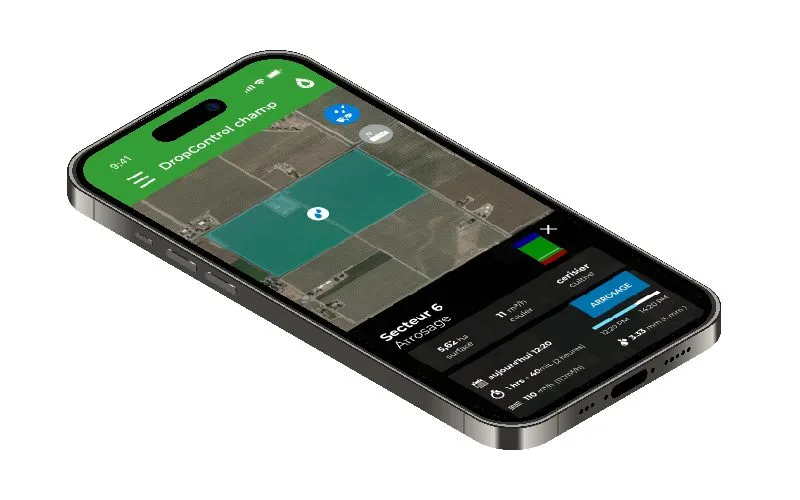

This digital integration brings together:
- Real-time sensor readings
- Cloud data analytics
- Automated control systems
- Remote access for monitoring and alerts
Such advancements give growers the ability to predict water requirements and manage irrigation proactively instead of reactively.
Transform drought challenges into growth opportunities 🌾💧
Sustainable agriculture depends on how effectively we use our most precious resource — water. Smart agriculture for drought conditions empowers farmers and distributors to respond intelligently to water scarcity, improving resilience while protecting long-term productivity.
If you’re ready to take the next step toward smarter, more sustainable irrigation management, explore the innovative solutions offered by WiseConn. Their smart water management platform combines real-time monitoring, automation, and analytics to transform drought challenges into growth opportunities.
👉 Learn more and connect with their team at WiseConn Contact to discover how technology can redefine water efficiency in your fields. 🌿
