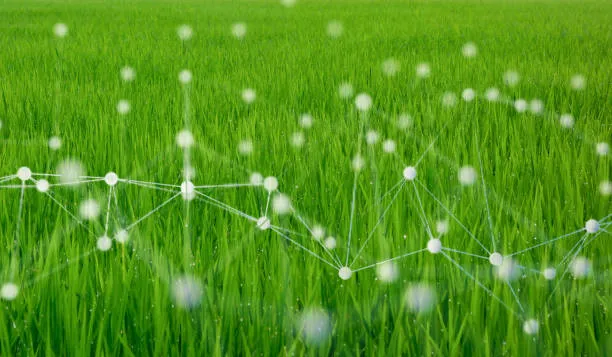
Precision Agriculture: Optimizing Water Usage and Crop Management
Precision agriculture has revolutionized modern farming by leveraging advanced technologies to optimize the use of resources, particularly water. As the global food demand rises and environmental concerns increase, precision agriculture is essential for maximizing crop yields while minimizing environmental impacts.
What is Precision Agriculture?
Precision agriculture refers to the use of data-driven tools to monitor and manage farming operations with higher precision. By utilizing tools like remote sensing, global positioning systems (GPS), and real-time data collection, farmers can make more informed decisions that improve the efficiency of their agricultural practices.
With precision agriculture, farmers can manage crop management in great detail, adjusting practices to the specific needs of different areas within the same field. This approach helps optimize water usage by ensuring irrigation is applied only where and when needed, reducing water waste and enhancing crop productivity.

Key Benefits of Precision Agriculture
1. Optimized Water Usage:
One of the most significant benefits of precision agriculture is its ability to reduce water consumption. By integrating variable rate technology with real-time data, farmers can accurately determine the water needs of different crops and areas, leading to substantial water conservation.
2. Improved Crop Yields:
Precision agriculture technologies enable farmers to better manage crop variability, leading to higher yields. Data collection and spatial variability analysis allow farmers to apply fertilizers and water more efficiently, resulting in healthier crops and increased production.
3. Environmental Impact Reduction:
Precision agriculture helps reduce the environmental footprint of farming operations. With tools like remote sensing and decision support systems, farmers can minimize the use of fertilizers and pesticides, which often contribute to soil degradation and pollution. The environmental benefits of precision agriculture include reduced runoff, healthier ecosystems, and less pressure on local water resources.
4. Better Management Decisions:
Precision agriculture provides farmers with crucial information about their operations, allowing them to make better management decisions. By monitoring crop conditions and environmental factors in real time, farmers can respond quickly to changes, whether it be a sudden weather shift or a pest infestation, ensuring their crops stay healthy.
Technologies Driving Precision Agriculture
The integration of big data into farming operations is a game-changer. Precision agriculture uses vast amounts of data collected from sensors, satellite imagery, and drones to provide accurate insights into crop performance. Here are some key technologies driving precision agriculture:
- Global Positioning System (GPS): Helps farmers navigate and apply inputs with high precision, ensuring the correct amount of water, fertilizer, and pesticide is applied in the right areas.
- Remote Sensing: Provides detailed information about crop health and soil conditions, helping farmers assess moisture levels, nutrient needs, and overall plant health.
- Variable Rate Technology: Allows farmers to adjust irrigation, fertilization, and pesticide application rates based on the specific needs of different areas within a field, optimizing resource use and boosting crop yields.
The Future of Precision Agriculture
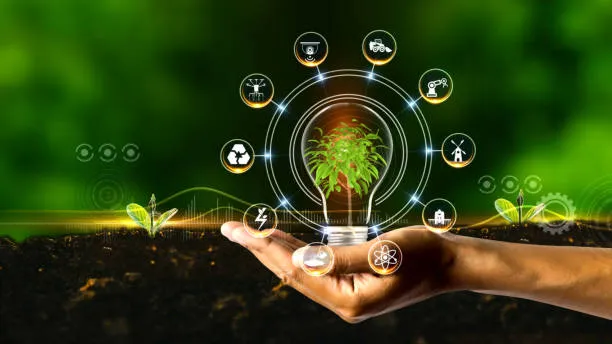
As precision agriculture continues to evolve, the future promises even greater benefits for the agricultural industry. With the integration of artificial intelligence and more advanced analysis of big data, farming will become even more efficient and sustainable. Precision agriculture technologies are becoming more accessible, even to small-scale farmers, ensuring that these benefits can be applied across the agricultural sector.
For more information on how precision agriculture can optimize water usage and improve crop management, visit WiseConn's Solutions Page.