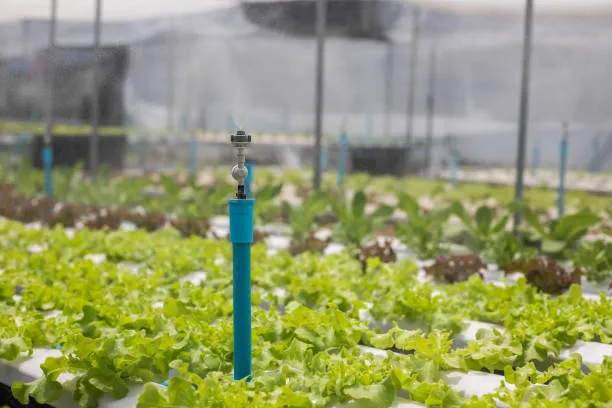
Irrigation Controller: Optimizing Water Use for Sustainable Agriculture
An irrigation controller is a vital tool in modern agriculture, enabling efficient water use while ensuring crop health and productivity. With the increasing demand for sustainable practices and water conservation, adopting automated irrigation systems becomes more crucial. These systems, which include sprinkler systems and irrigation timers, help farmers manage water usage precisely, reducing waste and improving efficiency.
1. The Role of an Irrigation Controller in Water Management
An irrigation controller is designed to automate the irrigation process by regulating when and how much water is applied to crops. This technology plays a key role in water resource management, ensuring water is distributed efficiently to meet the crops' needs.
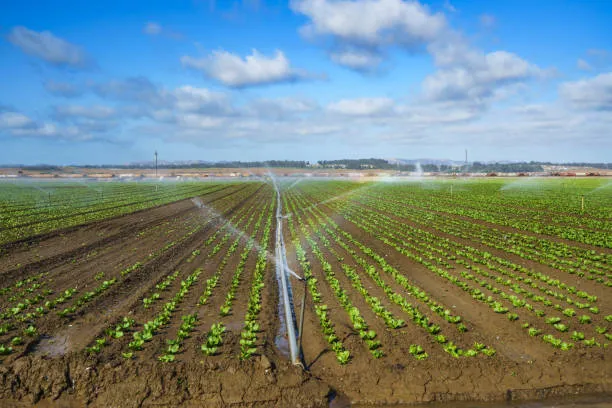
- Sprinkler systems: These systems are typically connected to an irrigation timer that controls the frequency and duration of watering.
- Smart controllers: These advanced systems use weather data and soil moisture levels to determine the optimal watering schedule, further reducing water waste.
- Timers and controllers: These devices are crucial for creating an accurate watering schedule, ensuring better water conservation and crop management.
2. Benefits of Using an Irrigation Controller
Implementing an irrigation controller offers numerous benefits that help optimize both water resources and agricultural efficiency:
- Water savings: Automated systems help prevent overwatering by applying only the necessary amount of water, contributing to water conservation efforts.
- Convenience: With the integration of sprinkler timers and smart controllers, farmers can remotely manage their irrigation systems from anywhere, simplifying operations.
- Precision irrigation: By adjusting the watering schedule based on real-time data, these systems ensure that water is delivered efficiently to each plant, promoting healthy growth and reducing waste.
3. How an Irrigation Controller Enhances Efficiency
One of the most significant advantages of using an irrigation controller is its ability to improve irrigation efficiency . By integrating modern technology such as soil moisture sensors and weather forecasts, these systems can:
- Monitor soil conditions: Sensors detect when the soil is dry, activating the irrigation system only when necessary, reducing water waste.
- Adapt to environmental changes: Smart controllers adjust watering schedules based on weather patterns, ensuring crops receive the right amount of water even under fluctuating conditions.
- Automate the process: Automated controllers eliminate the need for manual interventions, saving labor and time for farm managers, while ensuring consistent watering of crops.
4. How to Transition to Automated Irrigation Systems
Switching to automated irrigation systems requires careful planning and the right equipment. Here’s how to start the transition:
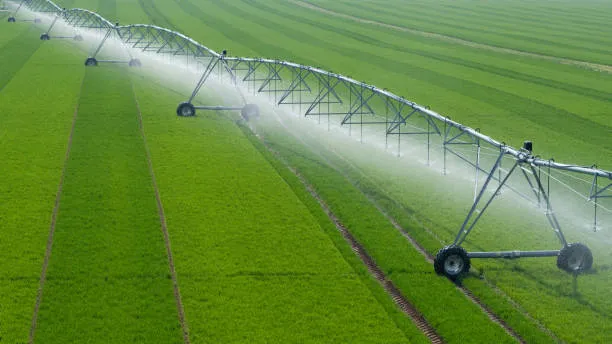
- Assess irrigation needs: Understanding the water requirements of your crops will help you choose the right irrigation controller.
- Select the appropriate technology: From sprinkler timers to advanced smart controllers, there are various options available based on your farming needs.
- Integrate with other systems: To fully optimize irrigation, consider integrating your irrigation controller with other farm management systems for comprehensive monitoring and control.
Conclusion
Adopting an irrigation controller is crucial for efficient water management in modern agriculture. These systems not only help conserve water but also improve crop health and yield by automating the irrigation process and providing precise control. As the need for sustainability grows, investing in advanced irrigation solutions like smart controllers and sprinkler systems will be essential for ensuring the future of farming operations.
For more information on how to optimize irrigation with advanced irrigation controllers, visit WiseConn, explore our solutions, and contact us here.