


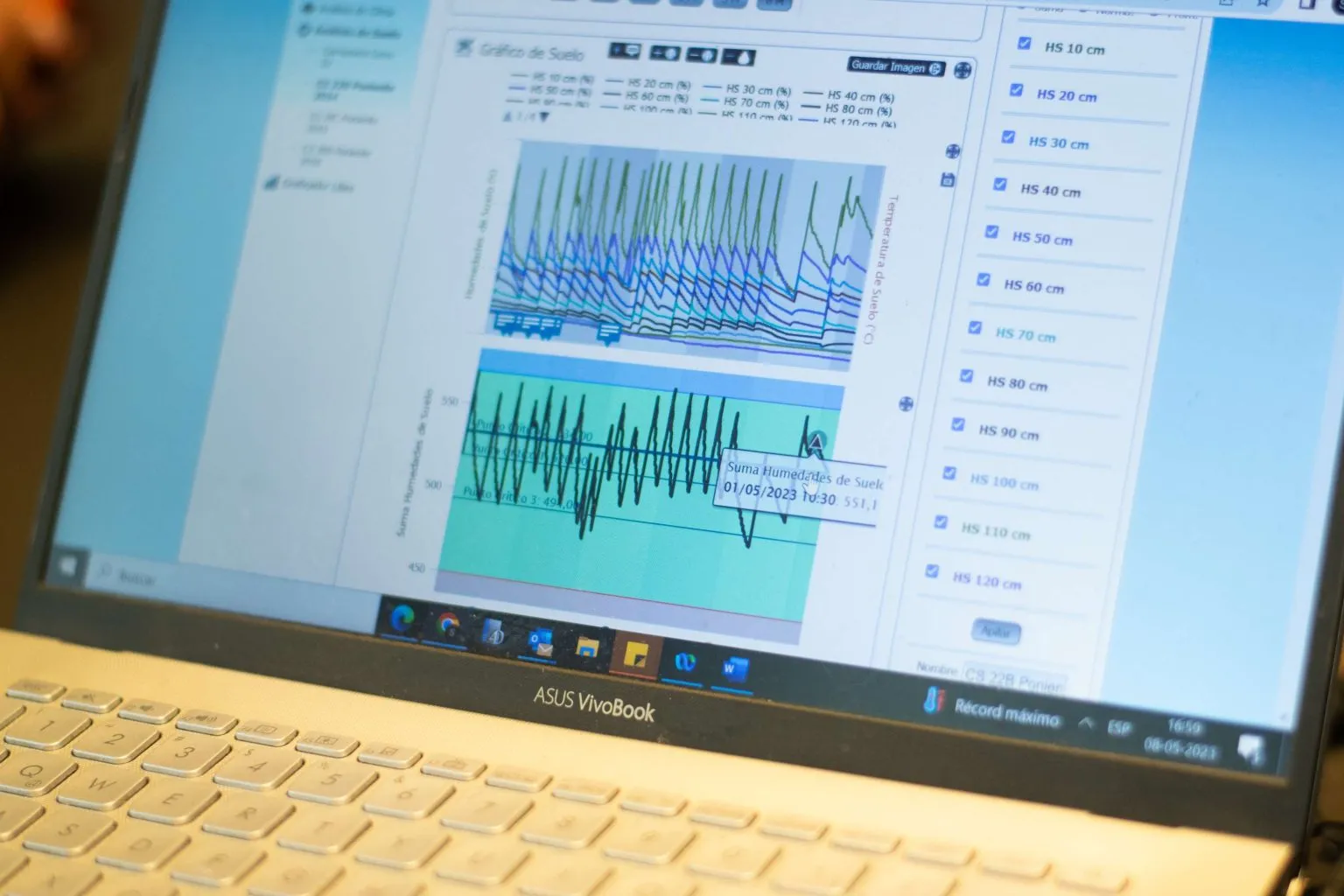
Advanced Greenhouse Automation for Efficient Water and Climate Management
Today, greenhouse automation is a strategic pillar for modern commercial farming. Growers face stricter sustainability standards and increasing pressure to maximize resource use. An automated greenhouse system integrates IoT sensors, smart controllers and predictive analytics to manage climate and irrigation dynamically, minimizing waste and boosting yields.
What Is Greenhouse Automation and Why It Matters
Greenhouse automation combines hardware and software to maintain optimal growing conditions with minimal manual intervention. Unlike traditional methods, automations in greenhouse allow real-time adjustments based on continuous data flows. This improves precision in managing temperature, humidity, light and CO₂. For commercial growers, it means better control over plant physiology, reduced input costs, and more resilient operations.

Key Components of an Automated Greenhouse System
A fully functional smart greenhouse depends on various interconnected technologies:
- Sensors and Controllers: Soil moisture probes, temperature and humidity sensors, CO₂ monitors, and programmable logic controllers (PLCs) gather and process data for automated actions.
- Climate Regulation Systems: Automated ventilation, heating and cooling systems, shade controls and misting devices respond to data triggers to stabilize microclimates.
- Automated Irrigation Solutions: Precision fertigation and drip systems adjust flow rates and nutrient mixes according to plant demand, ensuring uniform water distribution and nutrient uptake.
Benefits of Implementing Greenhouse Automation in Commercial Farming
The technical and economic advantages of greenhouse automation are clear:
- Water Usage Optimization: Automated systems fine-tune irrigation schedules using real-time soil moisture and evapotranspiration data, cutting waste and runoff.
- Higher Yields and Consistency: Precise control over microclimates promotes uniform growth, reduces plant stress and improves disease resistance.
- Energy Efficiency and Cost Savings: Intelligent scheduling of fans, pumps and heaters reduces power consumption and maintenance needs, lowering long-term operational costs.
How Automation Enhances Climate and Humidity Management
Climate and humidity are decisive factors for crop health and quality. Smart greenhouses implement:
- Real-Time Monitoring: Integrated sensor arrays provide granular tracking of environmental conditions.
- Predictive Adjustments: Machine learning algorithms analyze historical and live data, allowing systems to anticipate changes and adapt settings proactively.
- Weather Data Integration: External weather forecasts enhance internal sensor inputs, supporting more accurate microclimate management.
Case Studies: Successful Applications in Commercial Farms
Commercial farms adopting automated greenhouse systems report significant gains. For example, high-density leafy greens operations have used precision fertigation to save 20–30% in water while increasing output by up to 25%. In hydroponic strawberry production, greenhouse automation has stabilized humidity and CO₂ levels, boosting fruit quality and shelf life. These examples illustrate the ROI potential when technology aligns with robust agronomic planning.
Considerations Before Adopting Greenhouse Automation
Transitioning to an automation greenhouse requires careful planning:
- Initial Capital Investment: High-quality sensors, PLCs and IoT infrastructure require upfront budget allocation.
- Integration: New systems must communicate seamlessly with existing irrigation, fertigation and climate equipment.
- Support and Scalability: Reliable technical support and the ability to expand the system as operations grow are critical for long-term success.
Future Trends in Greenhouse Automation
Innovation is expanding the frontier for smart greenhouses:
- AI Integration: Next-generation systems use AI to refine climate and irrigation controls, adapting to crop phenology in real time.
- Remote Control: Cloud-based platforms and mobile apps enable operators to adjust conditions from anywhere.
- Sustainable Enhancements: Solar-powered wireless nodes and energy-efficient mesh networks are reducing the environmental footprint of high-tech farming.

Conclusion
Greenhouse automation combines data, connectivity and smart control to redefine commercial farming. By investing in these advanced systems, producers secure resource efficiency, stable yields and stronger resilience against climate variability.
➡️ Discover how advanced greenhouse automation can optimize your commercial operation. Learn how to precisely manage water and climate to unlock higher yields and ensure long-term sustainability. Explore proven solutions with WiseConn and check out our full offering here.